Education students create lesson plans to teach social and emotional learning
At Medicine Hat College (MHC), students in the Bachelor of Education program are learning how emotional wellbeing and connection shape student learning.
This work is part of the Physical Education and Wellness (PEW) curriculum, where students complete an 18-hour practicum. Education Instructor Jason McLester is committed to advancing Social Emotional Learning (SEL) in the classroom. His current research, supported in part by the Brandon Niwa Legacy Fund – The Beej Project, explores how SEL can be strengthened through innovative, student-led learning experiences. As part of this work, McLester has engaged his fourth-year Education students in developing creative, accessible ways to teach SEL concepts to younger learners, helping future educators feel confident in supporting student well-being.
As classrooms continue to evolve, educators are recognizing that emotional regulation and connection play an important role in how students learn.
"If a child isn’t regulated, they can’t learn,” says McLester. "They’re not in a space where they can absorb information, make connections, or think critically. When students are better able to regulate emotions and build healthy relationships, learning becomes possible.”
As they teach in local schools, students have incorporated what they have learned into their practicum placements.
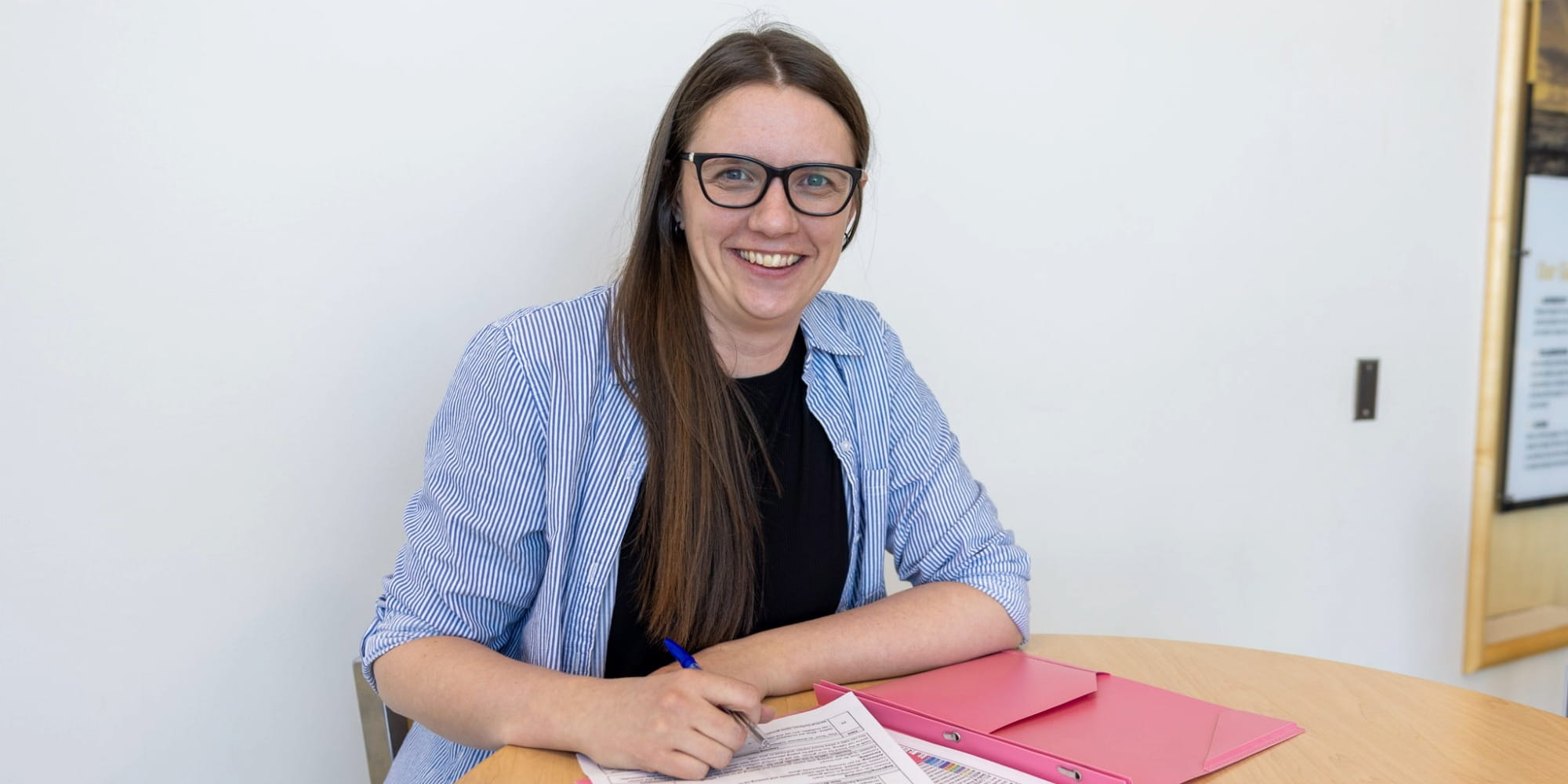
Ashley Reimer worked with grade four students on a project called Code Your Friend, where students drew an algorithm on a table that their partner then followed by stacking cups. The activity incorporated science and math while helping students understand perseverance and problem-solving.
“The lesson itself was a blast, and it was super engaging and hands-on. Perseverance is something we all deal with on a daily basis. There’s a natural tie to coding which is all about failing and trying again. It was a good experience for the kids.” Reimer’s says.
Jaimie Loehndorf had students work in groups to stack cups without using their hands, requiring teamwork, communication, critical thinking and participation from everyone in the group.
For both students, this experience has reshaped their understanding of teaching, connection and classroom dynamics.
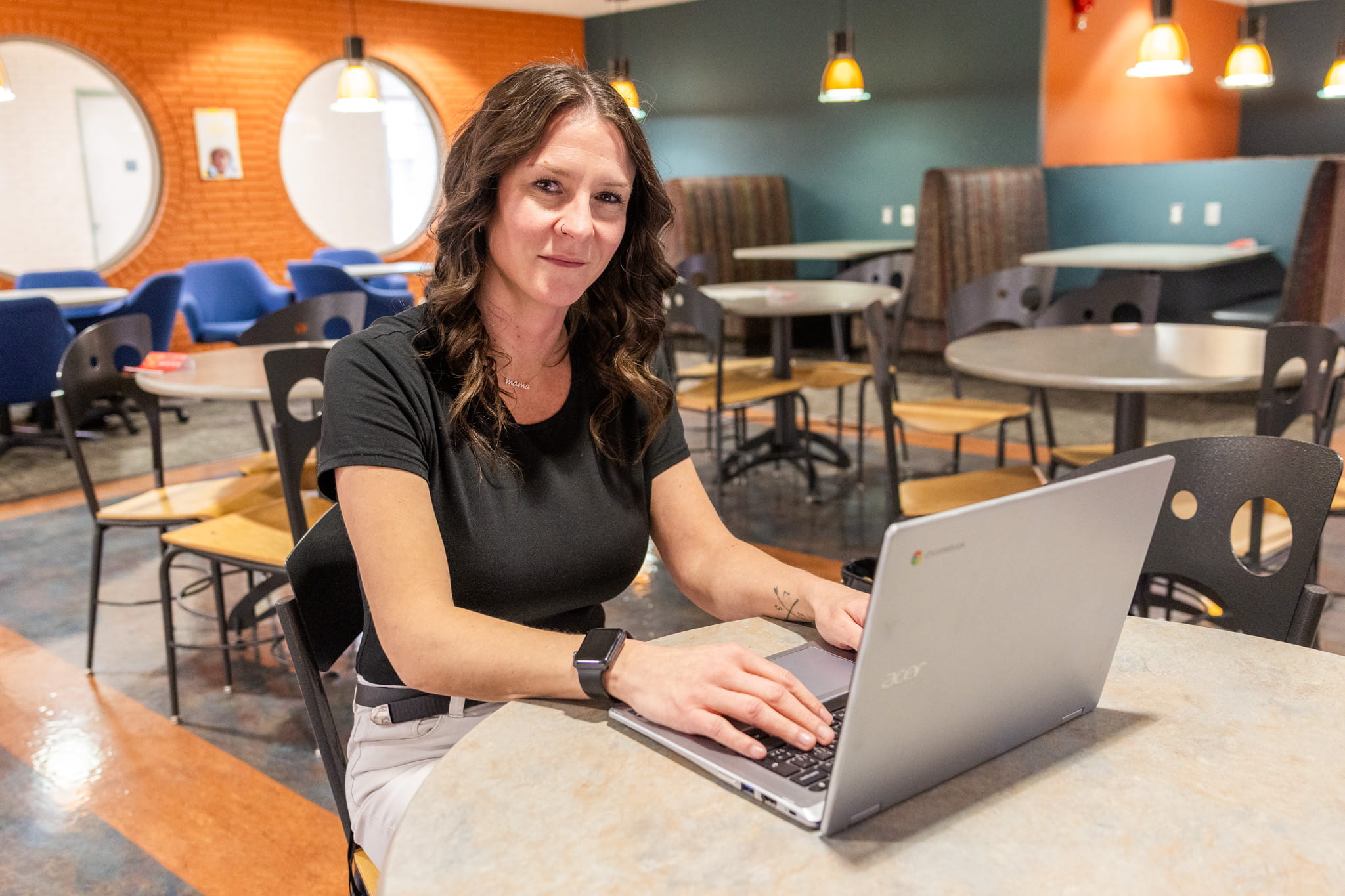
Loehndorf shares how she’s learned how important the connection between an educator and student is.
“Before students can learn you need to build that relationship, connection and trust with the student,” says Loehndorf. “It's being able to recognize your students on a level that you know when you need to pivot.”
By building these skills and having these conversations, future educators will be better equipped for today’s classrooms and ready to continue adapting as they move forward in their careers.
To learn more about the Bachelor of Education program, offered in partnership with Mount Royal University (MRU) visit www.mhc.ab.ca.
interested in a teaching career? check out