Earn your Power Engineering Technology diploma at MHC
Power engineers play a vital role ensuring industrial and commercial facilities operate safely and efficiently. They supervise, operate, and maintain equipment and control systems that provide power, heat, refrigeration, and other essential utility services. From boilers and turbines to generators and pressure vessels, power engineers help keep complex systems running.
Program Highlights
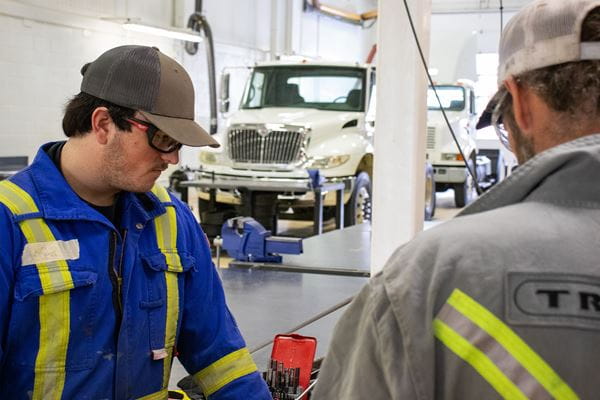
- Hands-on training in an advanced lab with a real plant environment
- Small class sizes with experienced instructors
- Training in:
- Safe operation and monitoring of equipment and systems
- Boilers and steam systems
- Pumps, compressors, prime movers, and auxiliary systems
- Electricity, instrumentation, and controls
- Water treatment and refrigeration systems
- Troubleshooting and problem solving
- Codes, drawings, and regulated operating practices
If all required credits are achieved, students will earn their Fourth Class Power Engineer certification by the end of their first year. Upon successful completion of the diploma, graduates will reach the Second Class level and be eligible to write the first portion of their Second Class Power Engineer examinations.
Have questions about the program? Please email PowerEngineering@mhc.ab.ca or connect with an academic advisor.
Take a Virtual Tour of the Power Engineering Technology Labs and Classrooms
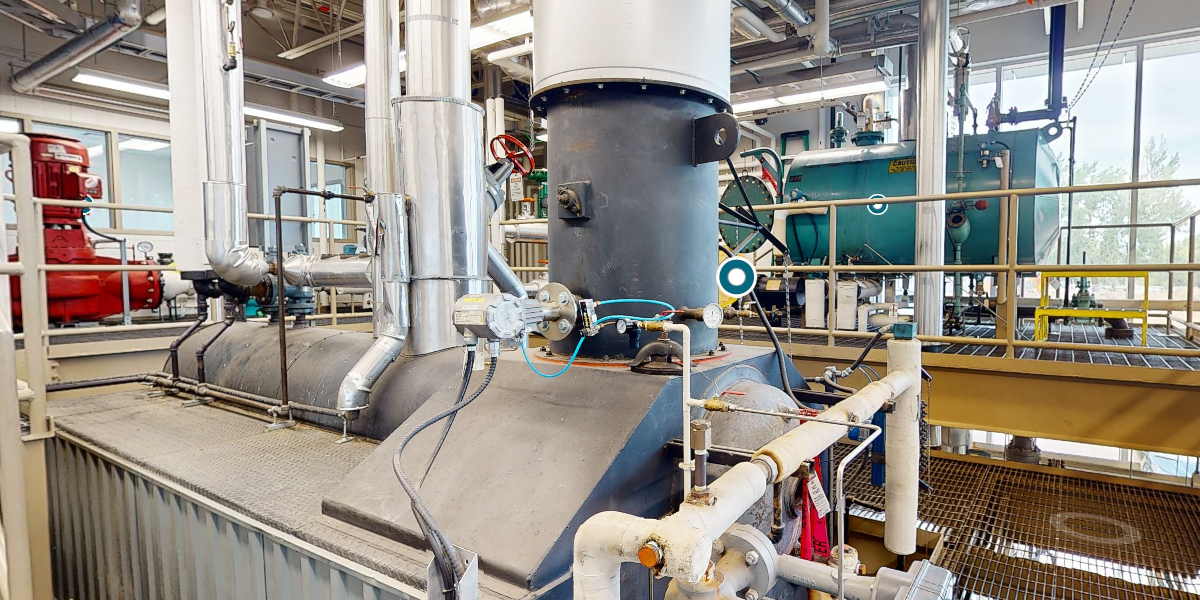 Start the Tour
Applicants must have a minimum of 60% in each of the following:
- ELA 20-1 or ELA 20-2
- Math 30-1 or Math 30-2
- Physics 20
A high school diploma is not required for admission; however, some employers may require you have it.
Additional Requirements
Before participating in the Work Practicum (PLAC 111), students must obtain safety certification in Standard First Aid with CPR and WHMIS. Students are responsible for the cost of these certifications and must provide proof of completion to their PLAC 111 instructor by the date stated in the course outline.
First Year - Foundations & Practicum
Year One - Semester 1 (September - November)
- PLAB 116 - First Lab
- PLAC 111* - Work Practicum (placements available throughout AB, SK, and BC)
- POWE 161 - Introductory Mechanics & Thermodynamics, Legislation and Safety
- POWE 162 - Introductory Electricity and Instrumentation, Materials, Welding and Safety
- POWE 163 - Introduction to Boilers, Environment, Communication
Year One - Semester 2 (December - February)
- PLAB 117 - Second Lab
- POWE 166 - Lubrication, Pumps, Compressor, Boiler Safety and Operation
- POWE 167 - Maintenance, Water Treatment, Prime Movers/Engines and Auxiliary Building Systems
- POWE 168 - Refrigeration & Air Conditioning and Types of Plants
Year One - Semester 3 (February - May)
- PLAB 118 - Third Lab
- POWE 151 - Intermediate Mechanics & Thermodynamics
- POWE 152 - Metallurgy
- POWE 153 - Codes & Drawings
- POWE 154 - Intermediate Electricity & Instrumentation
Second Year - Advanced Operations & Management
Year Two - Semester 4 (September - December)
- PLAB 219 - Fourth Lab
- POWE 260 - Intermediate Boilers
- POWE 261 - Intermediate Prime Movers
- POWE 262 - Water Treatment & Special Equipment
Year Two - Semester 5 (January - April)
- POWE 265 - Advanced Boilers
- POWE 266 - Advanced Pumps & Water Treatment
- POWE 270 - Advanced Codes
- POWE 271 - Plant Installation & Management
- POWE 272 - Advanced Mechanics
- POWE 280 - Advanced Thermodynamics
- POWE 281 - Advanced Metallurgy
- POWE 282 - Power Engineering Report
Graduates of this program will find employment opportunities with:
- Building Complexes
- Gas Plants
- Oil Refineries
- Petrochemical Processing Plants
- Fertilizer Production
- Power Generating Plants
Additional Information
- You must earn at least a C- in all POWE and PLAB courses.
- PLAB labs require 100% attendance.
- You have up to five years to complete the diploma.
Certification Requirements
Power Engineering certification in Alberta is regulated by ABSA (Alberta Boilers Safety Association). ABSA establishes the certification requirements, examinations, and qualifying operating experience requirements.
Medicine Hat College supports students on the certification pathway by providing:
- Classroom education
- Hands-on lab training
- A Work Practicum/field placement as part of the diploma program
Please note that certification requirements may change. Students are encouraged to confirm current certification and examination requirements directly with ABSA at absa.ca.
Steam Time Requirements
As part of the certification process, students are required to independently secure three months of qualifying operating experience (steam time).
It is important to understand that:
- The Work Practicum is a required component of the diploma program.
- Steam time is a separate certification requirement established by ABSA.
- Not all work experience qualifies as steam time.
Students should always consult ABSA for the most up-to-date information on certification requirements and what is considered qualifying operating experience.
Transfer Alberta
Looking to continue your education after MHC? Visit Transfer Alberta for the most current information on transfer agreements and requirements.
Athabasca University
Graduates may be eligible for block transfer credit toward select Athabasca University post-diploma Bachelor of Science degree options, including:
- BSc (Post Diploma) – Human Science Major
- BSc (Post Diploma) – Applied Mathematics Major
- BSc – Computer and Information Systems Major
Depending on the program selected, graduates may also be eligible for up to 30 additional transfer credits through course-by-course assessment.
Graduates may be eligible for up to 60 credits of block transfer toward the BSc (Post Diploma) – General Science Major.
Students should contact an Athabasca University Academic Advisor for current transfer details, admission requirements, and academic planning.
NAIT
Graduates who meet admission requirements may be eligible to apply to year three of NAIT's Bachelor of Technology program.
For current admission requirements, transfer opportunities, and application details, students should contact NAIT directly.
As a Power Engineering Student
- Labs: supervised practice operating systems and following procedures
- Theory: how systems work and why standards matter
- Assignments: drawings, documentation, and problem-solving
As a Power Engineer
- Monitoring equipment and readings
- Following permits, procedures, and operating standards
- Documenting work (logs, handovers)
- Responding to issues and troubleshooting methodically
- Communicating clearly and working reliably in shift-based environments
Is the program difficult?
The program is technical and structured. Students tend to do their best when they attend classes regularly, stay engaged in labs, and ask questions when they need support.
Want to see the learning environment before you apply? Book a lab tour. Email PowerEngineering
What will I learn?
The program combines power engineering theory (POWE), hands‑on labs (PLAB), and a Work Practicum (PLAC 111) to prepare you for a career in power engineering.
For the full program outline and prerequisites, see Course Details on this page.
Does the program include real-world experience?
Yes. The program includes a Work Practicum (PLAC 111), giving you the opportunity to gain practical industry experience.
Before starting your practicum, you must have Standard First Aid with CPR and WHMIS. Students are responsible for the cost of the certifications and must submit proof of completion by the date in the course outline.
Who regulates certification, and what is steam time?
In Alberta, power engineering certification is regulated by the Alberta Boilers Safety Association (ABSA), which establishes exam and certification requirements.
Steam time is documented operating experience in a qualifying plant environment. It provides the practical experience required to support certification.
How much steam time do I need and who is responsible for it?
Steam time requirements vary depending on the certification level and the type of experience ABSA accepts. For example, Fourth Class certification includes experience options such as assisting in the operation of a qualifying plant, or other ABSA-approved combinations.
As part of this program, students are required to independently secure three months of steam time as part of the overall certification pathway.
For current steam time requirements and information on qualifying experience, visit ABSA.
Can I continue my education after completing the diploma?
Yes. Graduates may be eligible for transfer credits and pathways with institutions such as Athabasca University and NAIT.
For the most current transfer credit and pathway options, visit Transfer Alberta or the Transfers and Pathways section on this page.
If I already have Fourth Class certification or other related training, can I receive credit?
Credit eligibility depends on previous training and how it matches program requirements.
Connect with Prior Learning Assessment & Recognition (PLAR) to have your credits assessed.
Can I complete steam time or work in another province?
Requirements vary. ABSA determines what experience may be applied toward Alberta certification, while other provinces have their own regulatory authorities.
If you plan to complete steam time or work outside Alberta, confirm requirements with ABSA and the regulator in the province where you intend to work.
What support is available if I need help?
As a student, you have access to a range of support services, including tutoring, academic coaching, financial aid guidance, accessibility services, and career services.
Explore student supports and services here.
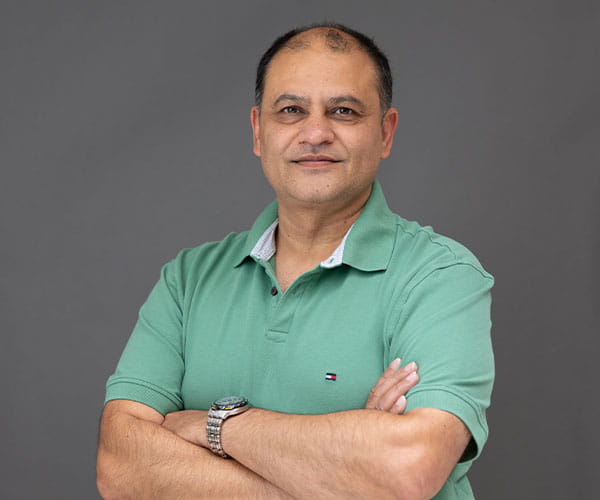
Meet the Faculty




Diploma
Duration:2 years
Intake:Fall
School: Campus:Medicine Hat
Have questions?
Contact UsApply Today Apply for MHC programs
Talk to an Advisor Book an appointment here
Program Planning Guides Build your schedule
Tuition Fees Find out program costs